
Main Index
In Store
Our Web Store
Miniature Schnauzer Picture Gallery
Latest Dog Blogs
- What Are The Basic Commands To Train A Dog?
- PaySafe As The Most Popular Type Of Deposit
- Everything You Need To Know About Pet Sales
- Dogs Contribute To Our Physical And Mental Well Being
- How To Choose Where To Bet On Greyhounds In 2022
- Volunteer With Animals - How To Help Dogs Around The World
- Basic Understanding Of The House Edge
- Why You Should Get A Dog
- Top 20 Popular Dog Names Around The World
- Constipation in Dogs and How to Find Solutions
Samoyed
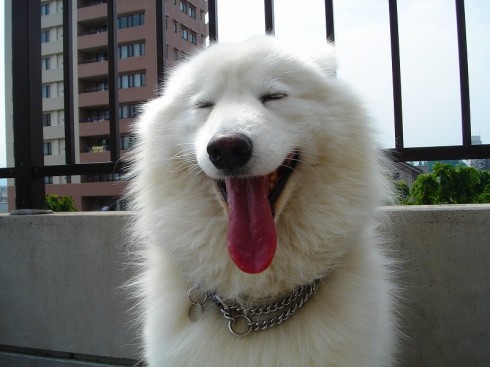
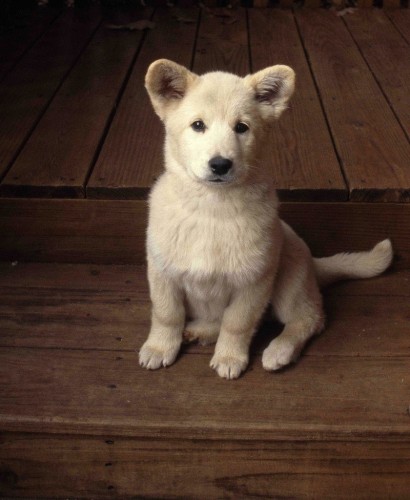
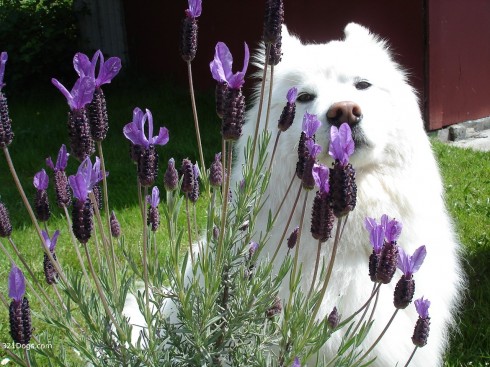
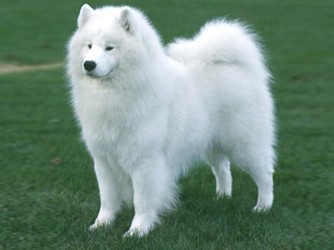
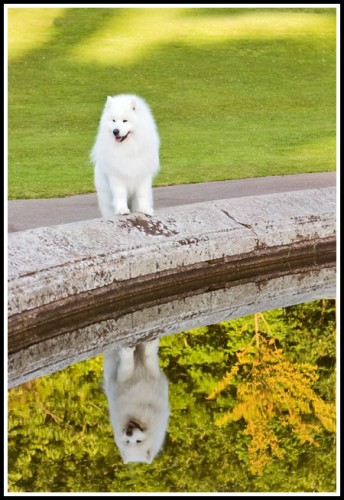
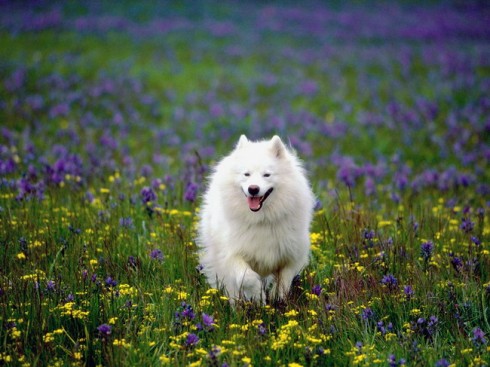
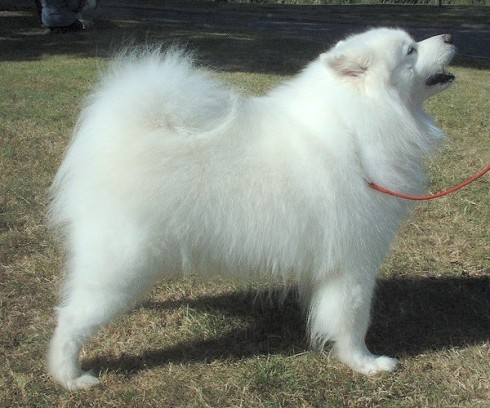
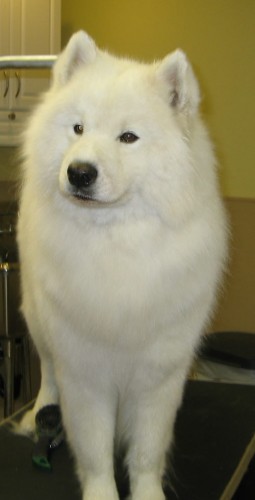
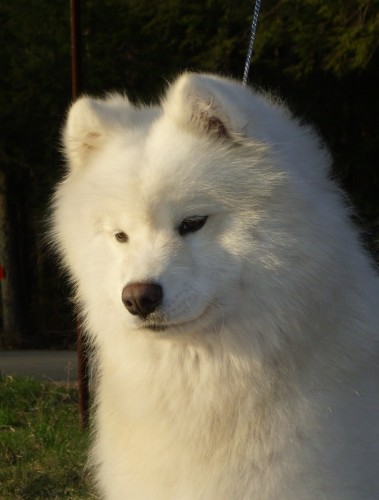
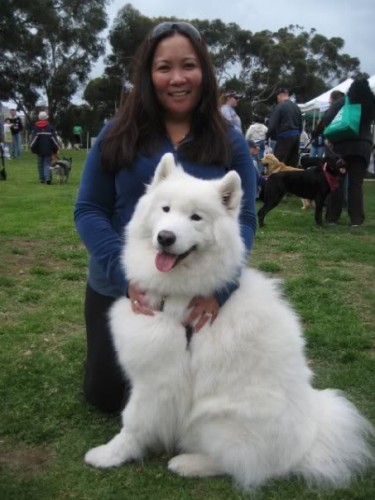
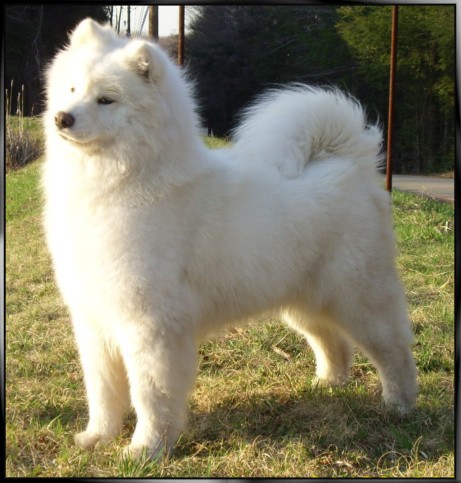
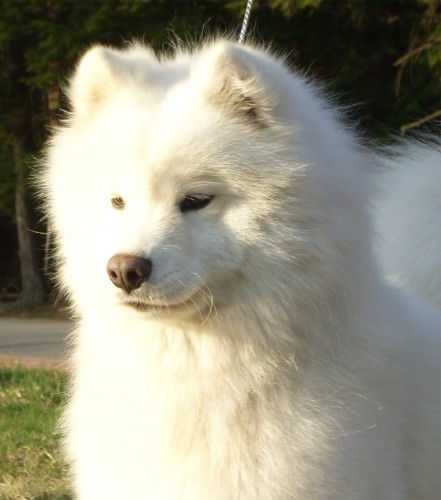
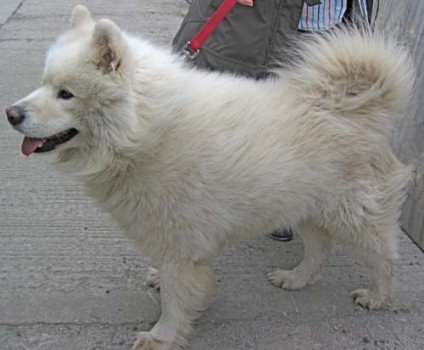
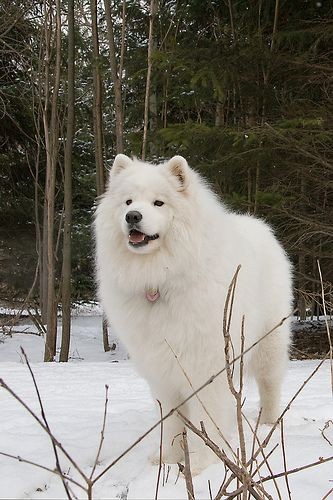
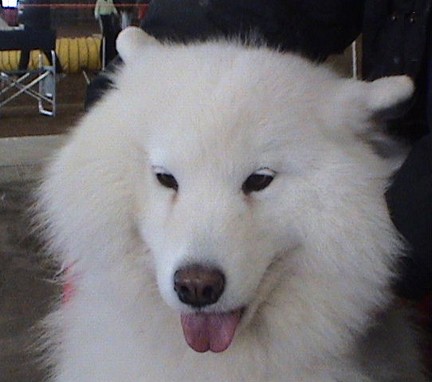
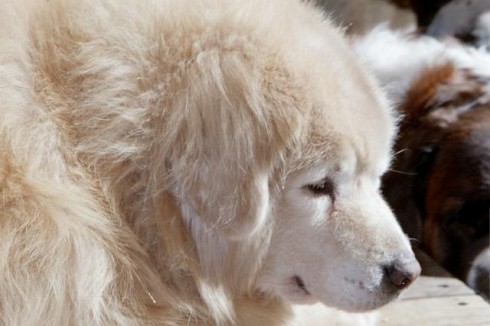
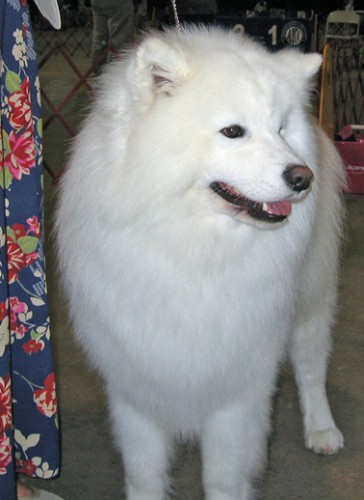
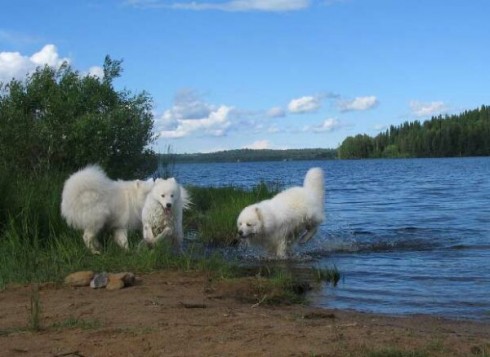
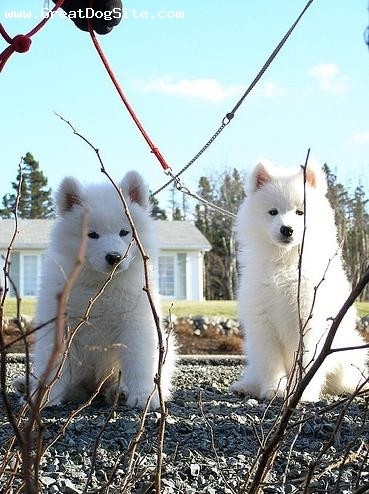
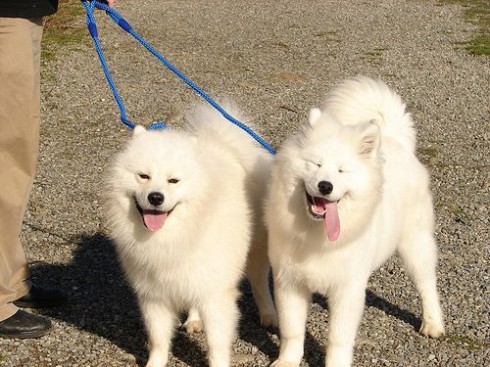
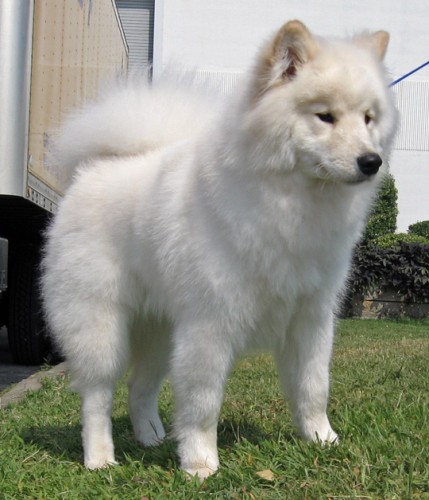
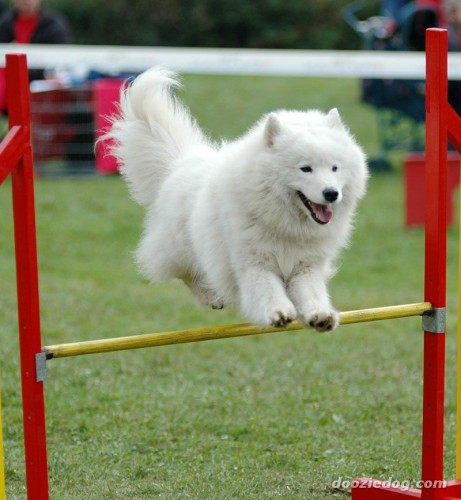
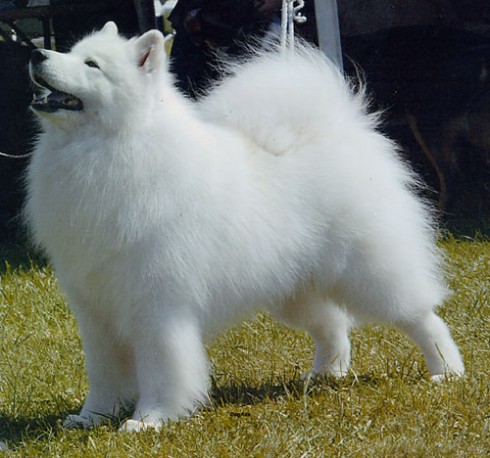
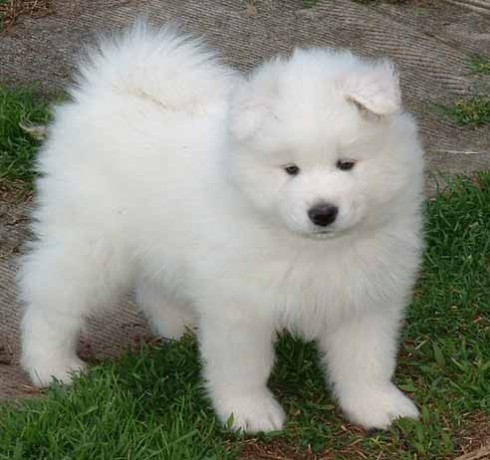
Samoyeds are perky, dependable playmates, often wearing "smiles" on their faces. They are full of fun, and love nothing more than an afternoon of frisky activity in the snow. They are active and alert, indoors and out.
Did you know?
Of all modern breeds, the Samoyed is most nearly akin to the primitive dog - no admixture of wolf or fox runs in the Samoyed strain.
Although its ancestry is vague, it's clear the Samoyed takes its name from the Samoyed people (now known as the Nenetsky people) of the Siberian tundra. Samoyeds were kept for ages by this nomadic tribe, who, by necessity, were strongly attached to their dogs. Pulling sleds, herding reindeer and alerting their masters to approaching danger were just a few of the Samoyed's functions that made the dogs crucial to the tribe's survival.
So you want to own a Samoyed?
When you own a Samoyed you have a friend for life. The affectionate Samoyed thrives on companionship.
The alert Samoyed will easily adapt to any environment and is equally happy living in a house or an apartment given plenty of exercise.
Samoyeds have a fluffy white coat which sheds a great deal.
Indicative Breed Standard
General Appearance
Most striking. Medium and well balanced. Strong, active and graceful, free from coarseness but capable of great endurance.
Characteristics
Intelligent, alert, full of action. ‘Smiling expression’.
Temperament
Displays affection to all mankind. Unprovoked nervousness or aggression highly undesirable.
Head and Skull
Head powerful, wedge-shaped, with broad, flat skull, muzzle medium length, tapering foreface not too sharply defined. Lips black. Hair short and smooth before ears. Nose black for preference, but may be brown or flesh-coloured.
Eyes
Almond-shaped, set slanted, medium to dark brown, set well apart with alert, intelligent expression. Eye rims unbroken black. Light or black eyes undesirable.
Ears
Thick, not too long, slightly rounded at tips, set well apart and well covered inside with hair. Fully erect in adults.
Mouth
Jaws strong with a perfect, regular and complete scissor bite, i.e. upper teeth closely overlapping lower teeth and set square to the jaws.
Neck
Strong, not too short, and proudly arched.
Forequarters
Shoulders well laid, legs straight and muscular with good bone and not too short.
Body
Back medium in length, broad and very muscular with exceptionally strong loin. Chest deep but not too broad, well sprung deep ribs, giving plenty of heart and lung room.
Hindquarters
Very muscular, stifles well angulated. Viewed from rear, legs straight and parallel, with well let down hocks. Cowhocks or straight stifles highly undesirable.
Feet
Long, flattish, slightly spread and well feathered. Soles well cushioned with hair. Round cat feet highly undesirable.
Tail
Long, profusely coated, carried over the back and to side when alert, sometimes dropped when at rest.
Gait/Movement
Moves freely with strong, agile drive, showing power and elegance.
Coat
Body should be well covered with thick, close, soft and short undercoat, with harsh but not wiry hair growing through it, forming weather-resistant outer coat, which should stand straight away from body and be free from curl.
Colour
Pure white, white and biscuit, cream, outer coat silver tipped.
Size
Height: dogs: 51-56 cms (20-22 ins) at shoulder; bitches: 46-51 cms (18-20 ins) at shoulder. Weight in proportion to size.
About Our Article Directory
- Article
- 27 November 2010
- 2 comments
Canis lupus familiaris
- Breed Article
- 29 May 2010
- No comments
Quick Search
Donate
Latest Dog Pods
- Tips on How to Stop Your Dog from Biting
- Beware - Not All Advertised Dog Rescues Really Are! How Can You Know The Truth?
- Helpful Tips For Dog Obedience Problems
- How to Keep Dogs From Eating Poop
- Dog Grooming Tips - A General Overview of the Very Basics of Dog Grooming
- Recognising Different Types of Dog Obedience Problems
- 5 Important Tips On Feeding A Puppy