
Main Index
In Store
Our Web Store
Miniature Schnauzer Picture Gallery
Latest Dog Blogs
- What Are The Basic Commands To Train A Dog?
- PaySafe As The Most Popular Type Of Deposit
- Everything You Need To Know About Pet Sales
- Dogs Contribute To Our Physical And Mental Well Being
- How To Choose Where To Bet On Greyhounds In 2022
- Volunteer With Animals - How To Help Dogs Around The World
- Basic Understanding Of The House Edge
- Why You Should Get A Dog
- Top 20 Popular Dog Names Around The World
- Constipation in Dogs and How to Find Solutions
Petit Basset Griffon Vendéen
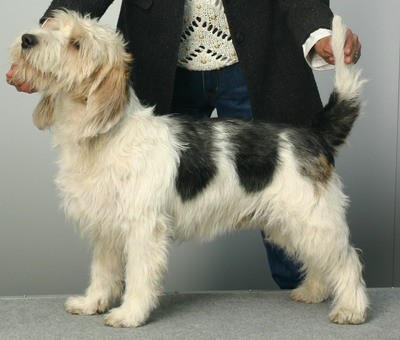
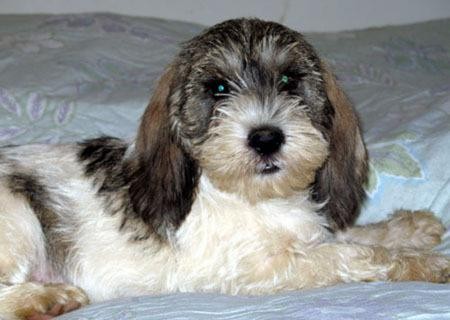
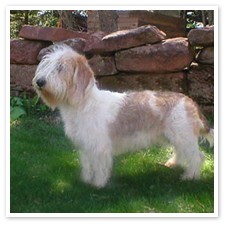
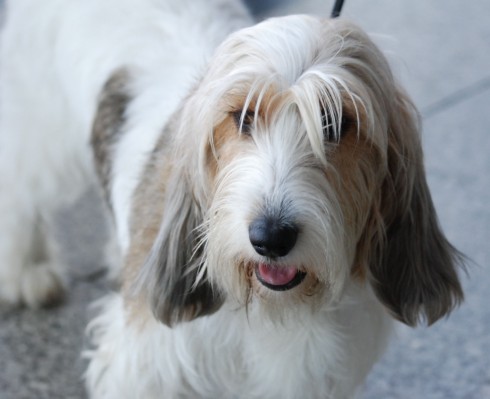
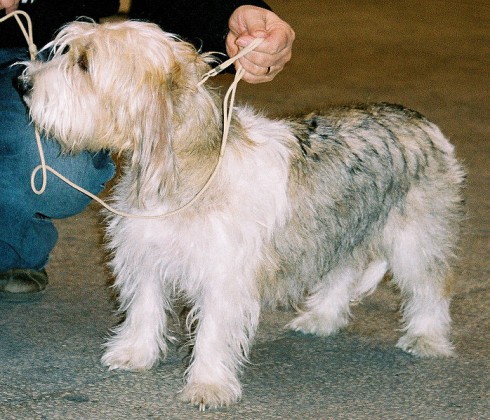
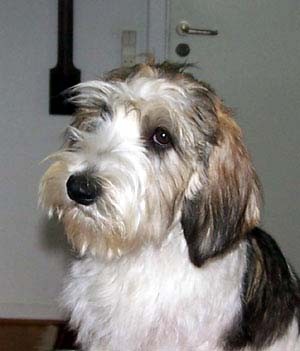
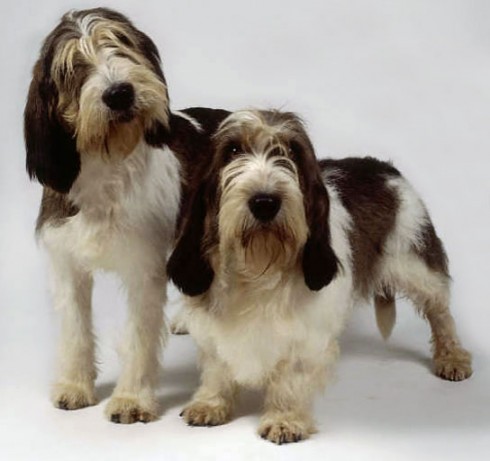
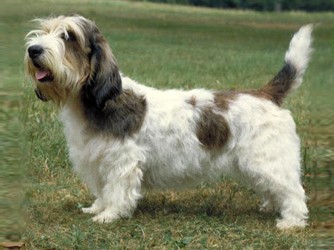
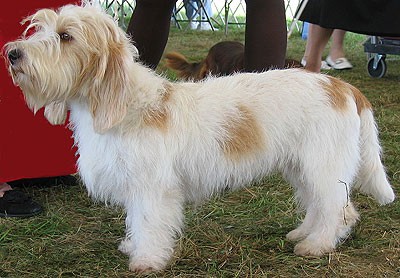
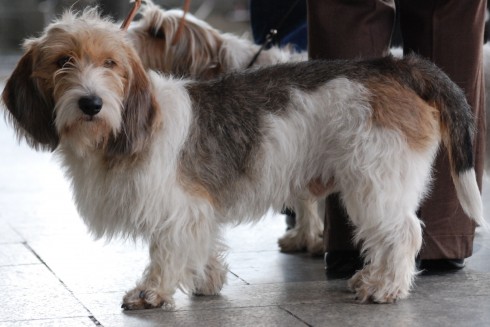
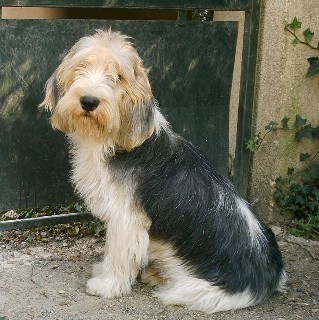
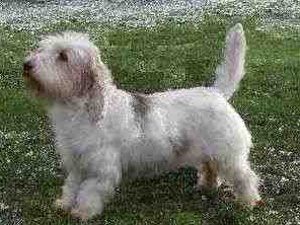
Petit Basset Griffon Vendéen Picture Gallery
Petit Basset Griffon Vendéen Breeders
Petit Basset Griffon Vendéen Clubs/Associations
The Full Petit Basset Griffon Vendéen Description
Their raggedy looks, small size, and sparky personality have won them many admirers. Though Basset is part of his name, he is not like a Basset Hound. He is more like a terrier; curious and busy, determined and smart. The Petits need plenty of exercise and attention.
Did you know?
The breed can be traced to the sixteenth century and to the Griffon Vendéen, his larger, more powerful ancestor.
His name in French reveals much about him: Petit - small; Basset - low to the ground; Griffon - rough or wire coated; and Vendéen - the area of France in which he originated.
So you want to own a Petit Basset Griffon Vendéen?
The Petit Basset Griffon Vendéen is a scent hound, who uses its nose to hunt small game over rough and difficult terrain.
Bold and vivacious in character, the Petit Basset Griffon Vendéen has a good voice which he uses freely.
The Petit Basset Griffon Vendéen is a happy extroverted dog who is independent, but willing to please.
Indicative Breed Standard
General Appearance
Well balanced, short-legged, compact hound. Rough-coated with alert outlook and lively bearing.
Characteristics
Strong, active hound capable of a day’s hunting, with a good voice freely used.
Temperament
Happy, extrovert, independent, yet willing to please.
Head and Skull
Medium in length, not too wide, oval in shape when viewed from front. Well cut away under eyes; stop clearly defined; occipital bone well developed. Muzzle slightly shorter than from stop to occipital point. Underjaw strong and well developed. Nose black, large with wide nostrils. Eyes surmounted by long eyebrows standing forward but not to obscure eyes; lips covered with long hair forming beard and moustache.
Eyes
Large, dark, showing no white, with friendly, intelligent expression. Red of lower eyelid not showing.
Ears
Supple, narrow and fine, covered with long hair, folding inwards, ending in an oval shape; reaching to end of nose; set on low, not above line of eye.
Mouth
Jaws strong with a perfect, regular and complete scissor bite, i.e. upper teeth closely overlapping lower teeth and set square to the jaws. Level bite acceptable.
Neck
Long and strong, set into well laid shoulders; without throatiness; carrying head proudly.
Forequarters
Shoulders clean and sloping; elbows close to body. Forelegs straight, a slight crook acceptable; thick and well boned. Pasterns strong and slightly sloping. Knuckling over highly undesirable.
Body
Chest deep with prominent sternum; ribs moderately rounded extending well back. Back of medium length; level topline with slight arching over strong loins.
Hindquarters
Strong and muscular with good bend of stifle. Well defined second thigh. Hocks short and well angulated.
Feet
Hard, tight padded, not too long. Nails strong and short.
Tail
Of medium length; set on high, strong at base, tapering regularly, well furnished with hair; carried proudly like the blade of a sabre.
Gait/Movement
Free at all paces, with great drive. Front action straight and reaching well forward; hocks turning neither in nor out.
Coat
Rough, long without exaggeration and harsh to the touch, with thick undercoat, never silky or woolly. Shown untrimmed.
Colour
White with any combination of lemon, orange, tricolour or grizzle markings.
Size
Height 33-38 cms (13-15 ins).
About Our Article Directory
- Article
- 27 November 2010
- 2 comments
Canis lupus familiaris
- Breed Article
- 29 May 2010
- No comments
Quick Search
Donate
Latest Dog Pods
- Tips on How to Stop Your Dog from Biting
- Beware - Not All Advertised Dog Rescues Really Are! How Can You Know The Truth?
- Helpful Tips For Dog Obedience Problems
- How to Keep Dogs From Eating Poop
- Dog Grooming Tips - A General Overview of the Very Basics of Dog Grooming
- Recognising Different Types of Dog Obedience Problems
- 5 Important Tips On Feeding A Puppy