
Main Index
In Store
Our Web Store
Miniature Schnauzer Picture Gallery
Latest Dog Blogs
- What Are The Basic Commands To Train A Dog?
- PaySafe As The Most Popular Type Of Deposit
- Everything You Need To Know About Pet Sales
- Dogs Contribute To Our Physical And Mental Well Being
- How To Choose Where To Bet On Greyhounds In 2022
- Volunteer With Animals - How To Help Dogs Around The World
- Basic Understanding Of The House Edge
- Why You Should Get A Dog
- Top 20 Popular Dog Names Around The World
- Constipation in Dogs and How to Find Solutions
Miniature Pinscher
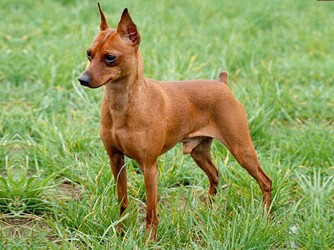
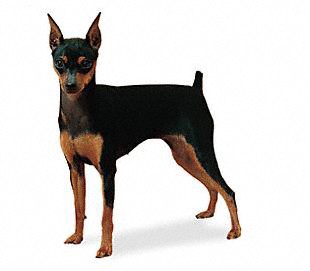
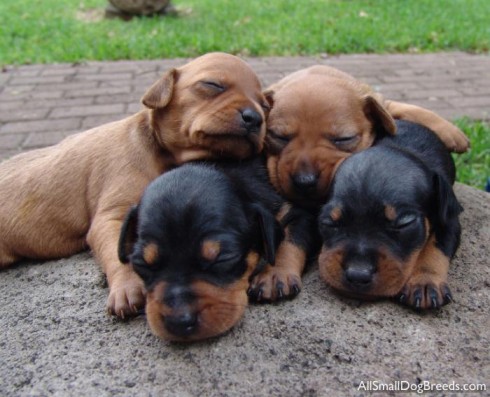
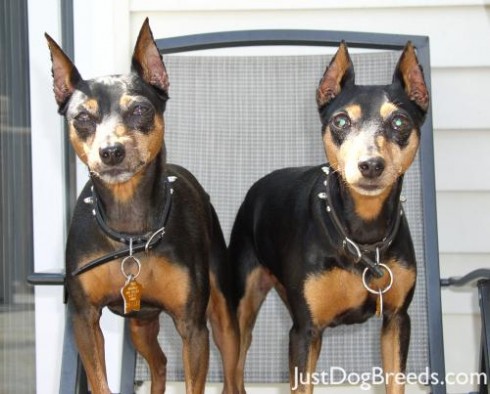
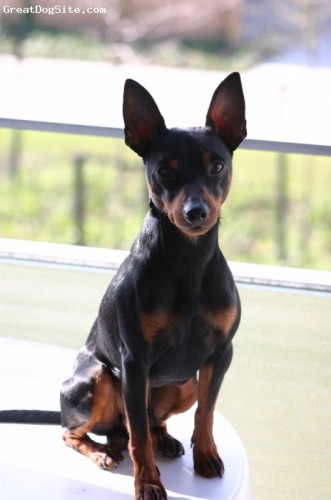
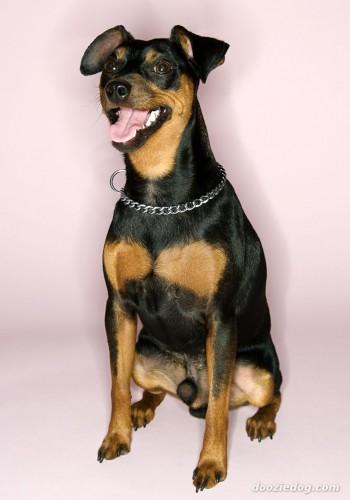
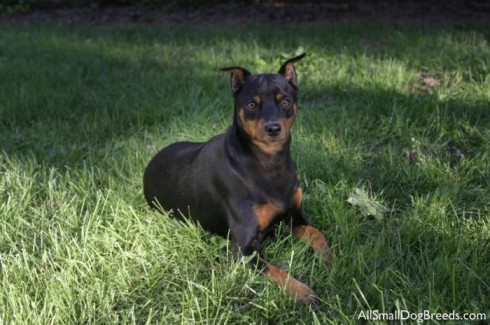
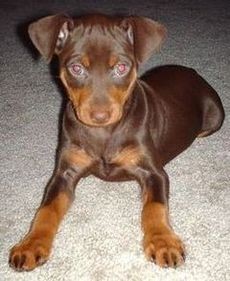
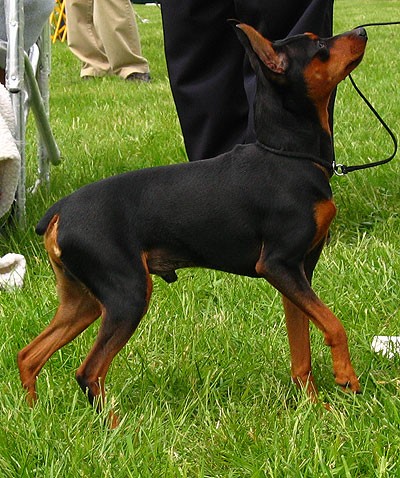
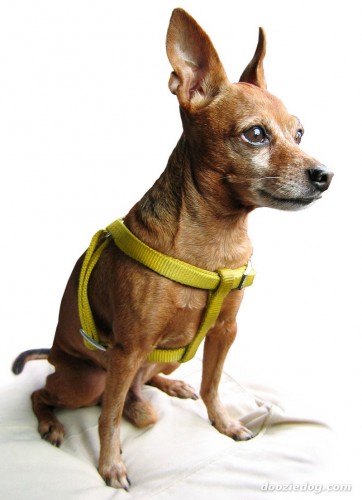
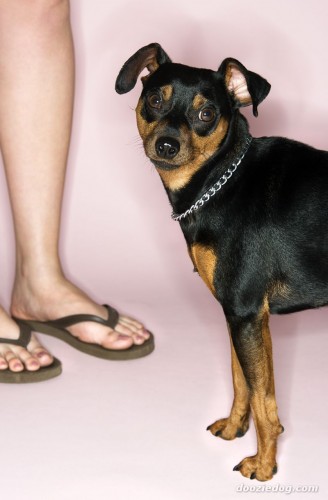
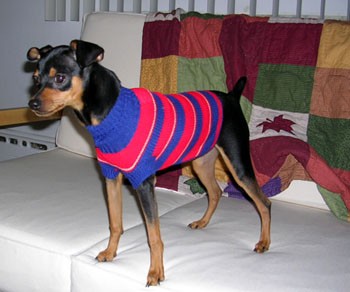
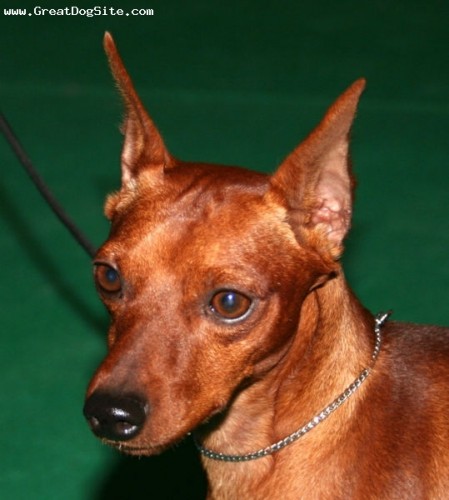
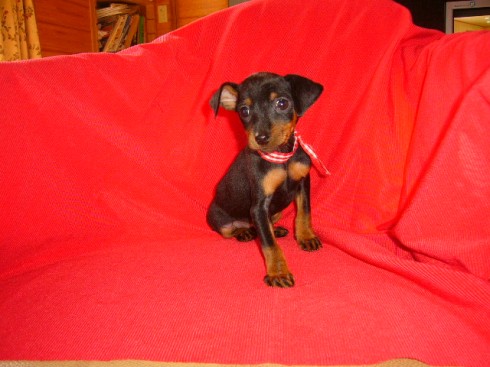
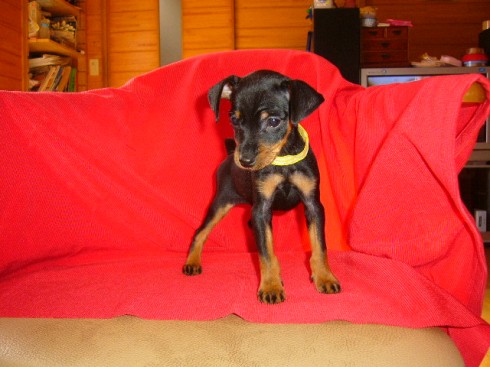
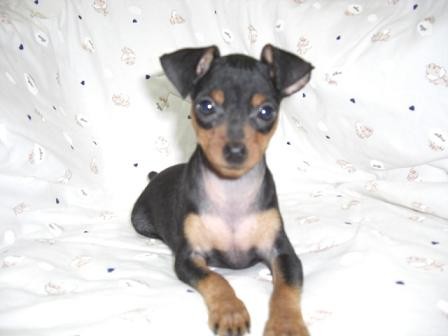
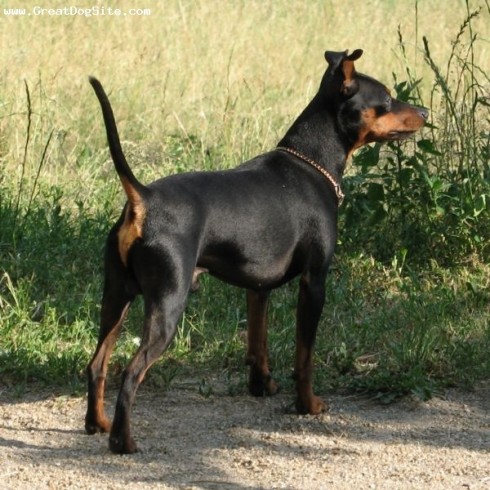
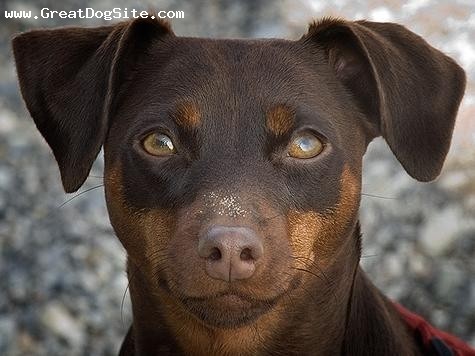
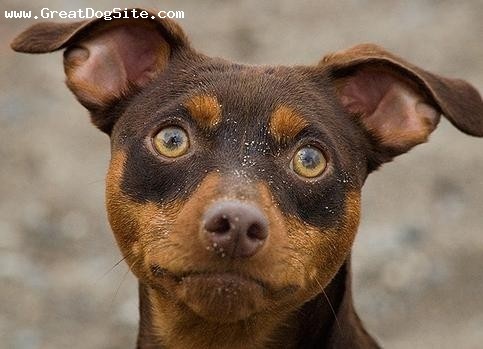
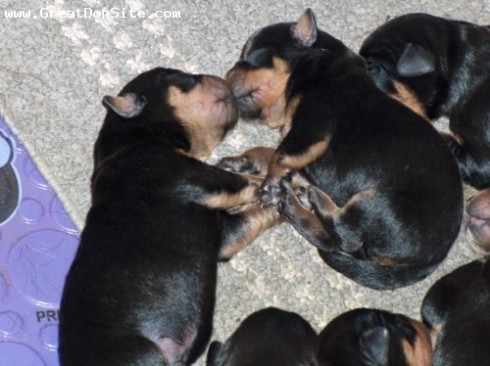
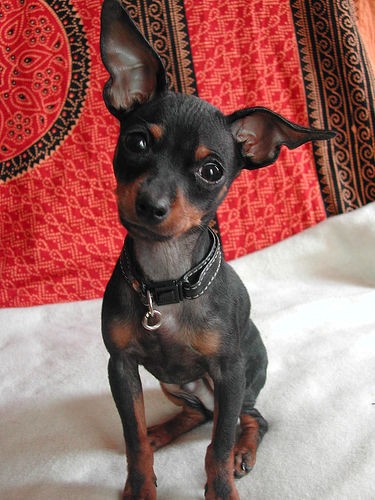
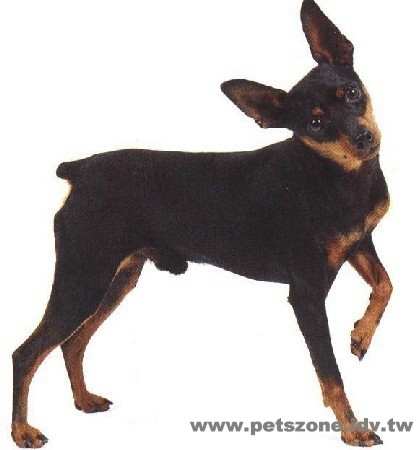
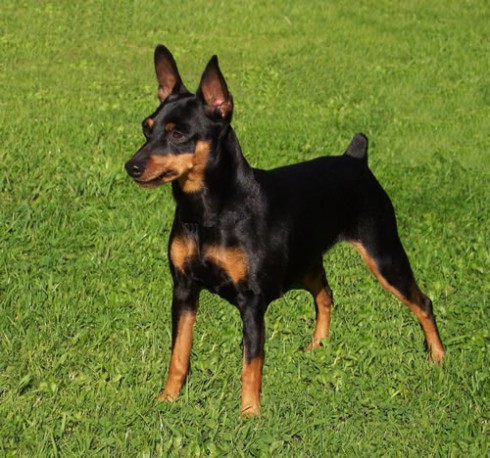
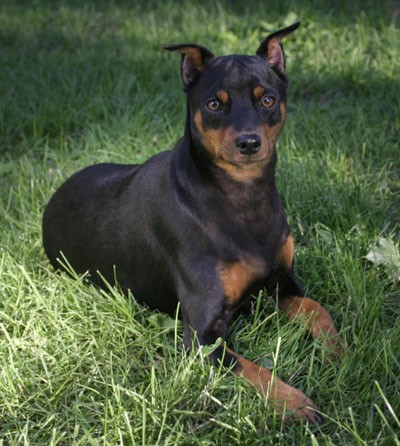
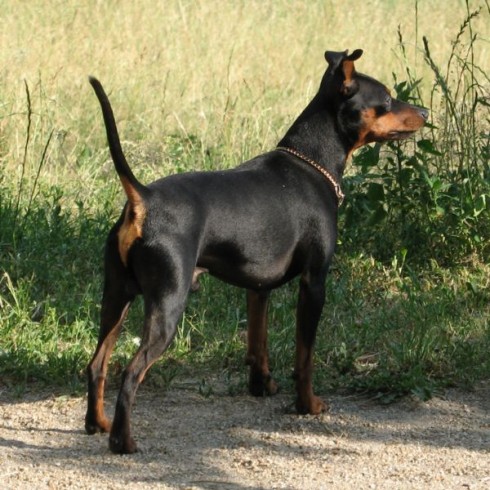
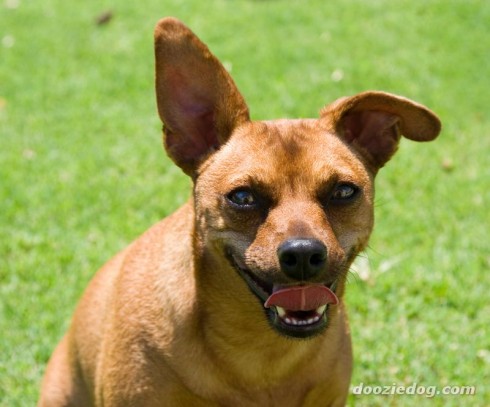
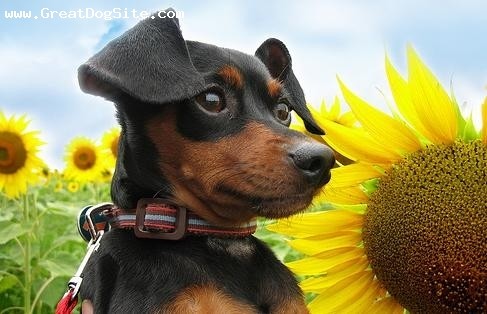
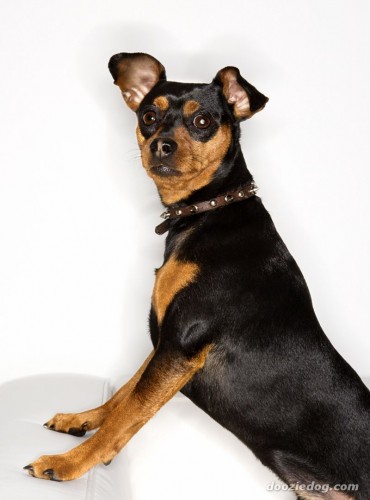
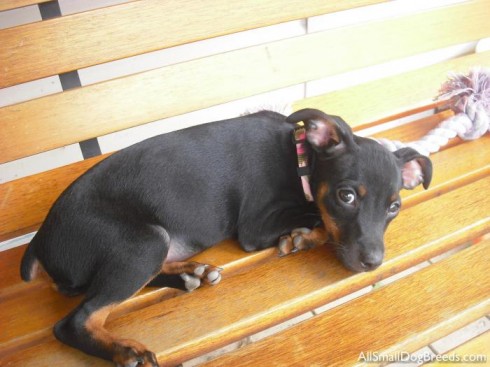
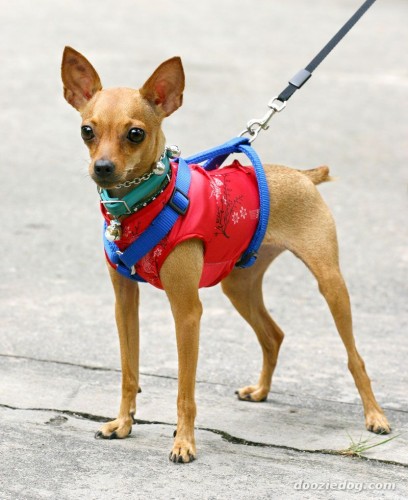
Miniature Pinscher Picture Gallery
Miniature Pinscher Clubs/Associations
The Full Miniature Pinscher Description
A Miniature Pinscher can really spice up a person's life. This dog is small, but don't tell him--he doesn't know it. He's quick and active, with a lively curiosity, and feels he's quite important. He thoughtfully looks out for his family, bravely challenging intruders with his bold, insistent bark.
Did you know?
The Miniature Pinscher originated in Germany, but it has been bred in Scandinavian countries.
The Miniature Pinscher is noted for its lively temperament and intelligence.
So you want to own an Miniature Pinscher?
The Miniature Pinscher is proud, vigorous and playful, even in his old age.
The Min Pin is an ideal size for a house dog.
The Miniature Pinscher is very possessive of his loved ones, fearless when on guard, an makes an alert watch dog.
Indicative Breed Standard
General Appearance
Well balanced, sturdy, compact, elegant, short-coupled, smooth-coated Toy dog. Naturally well groomed, proud, vigorous and alert.
Characteristics
Precise hackney gait, fearless animation, complete self-possession and spirited presence.
Temperament
Fearless and alert.
Head and Skull
More elongated than short and round. Narrow, without conspicuous cheek formation. In proportion to body. Skull flat when viewed from front. Muzzle rather strong and proportionate to skull. Nostrils well formed. Nose black with the exception of chocolate and blue in which it may be self-coloured.
Eyes
Fitting well into face. Neither too full nor round, nor too small or slanting. Black or nearly black.
Ears
Set on high, as small as possible, erect or dropped.
Mouth
Jaws strong, with a perfect, regular and complete scissor bite, i.e. upper teeth closely overlapping lower teeth and set square to the jaws.
Neck
Strong yet graceful, slightly arched. Well fitted into shoulders. Free from throatiness.
Forequarters
Forechest well developed and full, moderately broad; shoulders clean, sloping with moderate angulation. Legs straight, medium bone, elbows close to body.
Body
Square, back line straight, sloping towards rear. Belly moderately tucked up. Ribs well sprung, deep rather than barrelled. Viewed from top slightly wedge-shaped.
Hindquarters
Parallel and wide enough apart to fit in with a properly built body. Hindquarters well developed, muscular with good sweep of stifle, and hocks turning neither in nor out. Legs straight, medium bone.
Feet
Cat-like; nails dark.
Tail
Customarily docked. Docked: Short. Continuation of topline. Carried a little high. Undocked: Continuation of topline. Set and carried a little high. Length to give an overall balanced appearance.
Gait/Movement
Coordinated to permit a true hackneyed action.
Coat
Smooth, hard and short. Straight and lustrous. Closely adhering to and uniformly covering body. Hair forming ridge on any part of head, body or legs
highly undesirable.
Colour
Black, blue, chocolate with sharply defined tan markings on cheeks, lips, lower jaw, throat, twin spots above eyes and chest, lower half of forelegs, inside of hindlegs and vent region, lower portion of hocks and feet. All above colours have black pencilling on toes without thumb marks except chocolates which have brown pencilling. Solid red of various shades. Slight white on chest permissible but undesirable.
Size
Height from 25-30 cms (10-12 ins) at withers.
About Our Article Directory
- Article
- 27 November 2010
- 2 comments
Canis lupus familiaris
- Breed Article
- 29 May 2010
- No comments
Quick Search
Donate
Latest Dog Pods
- Tips on How to Stop Your Dog from Biting
- Beware - Not All Advertised Dog Rescues Really Are! How Can You Know The Truth?
- Helpful Tips For Dog Obedience Problems
- How to Keep Dogs From Eating Poop
- Dog Grooming Tips - A General Overview of the Very Basics of Dog Grooming
- Recognising Different Types of Dog Obedience Problems
- 5 Important Tips On Feeding A Puppy