
Main Index
In Store
Our Web Store
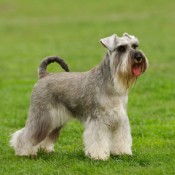
Miniature Schnauzer Picture Gallery
Latest Dog Blogs
- What Are The Basic Commands To Train A Dog?
- PaySafe As The Most Popular Type Of Deposit
- Everything You Need To Know About Pet Sales
- Dogs Contribute To Our Physical And Mental Well Being
- How To Choose Where To Bet On Greyhounds In 2022
- Volunteer With Animals - How To Help Dogs Around The World
- Basic Understanding Of The House Edge
- Why You Should Get A Dog
- Top 20 Popular Dog Names Around The World
- Constipation in Dogs and How to Find Solutions

Hypoallergenic Dogs
- 14/02/2010
By Jeff Cuckson
Please Help Us
We've got a small favour to ask. More people are reading IrishDogs.ie than ever, but far fewer are paying for it.
IrishDogs.ie takes a lot of time, money and hard work to produce. But we do it because we believe our perspective matters because it might well be your perspective, too.
Our future could be much more secure with your help. Please SUPPORT us by clicking on the Donate Button at the Top Right of your screen.
Quick Search
Donate
Latest Dog Pods
- Tips on How to Stop Your Dog from Biting
- Beware - Not All Advertised Dog Rescues Really Are! How Can You Know The Truth?
- Helpful Tips For Dog Obedience Problems
- How to Keep Dogs From Eating Poop
- Dog Grooming Tips - A General Overview of the Very Basics of Dog Grooming
- Recognising Different Types of Dog Obedience Problems
- 5 Important Tips On Feeding A Puppy